
Fitness app Design
White label Fitness app
The Fitness App Design project involved crafting customized user interfaces, information architecture (IA), and visual systems for a suite of over 10 mobile fitness apps, all available on the Apple App Store. These were white-label solutions developed for various fitness professionals and influencers across the U.S., each requiring a unique visual identity while maintaining the same robust core features. This wasn’t a single app, it was an ecosystem. I designed multiple apps from the same white-label framework, tailoring each to match the brand and tone of clients such as actor and martial artist Michael Jai White, and elite trainer Hany Rambod (best known for coaching Mr. Olympia champion Chris Bumstead, aka CBUM). The client roster also included several high-profile fitness influencers with large followings.
Client
Plankk
Services
Visual Design UI & UX Design
Industries
Fitness
Date
June 2022
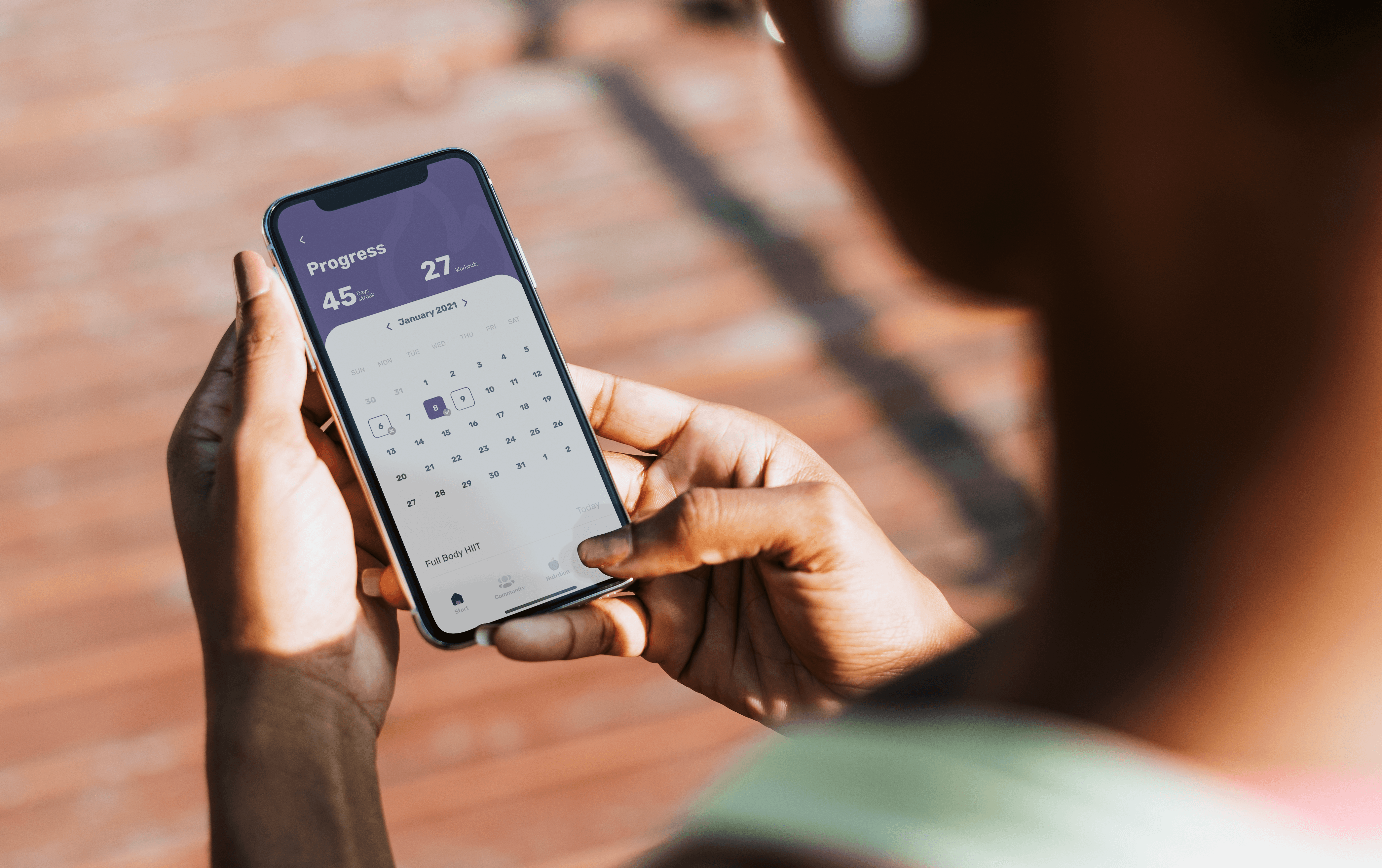
The Fitness App Design project was not a single app effort but an ecosystem of mobile products tailored to individual fitness brands. Clients included high-profile names like actor and martial artist Michael Jai White and elite trainer Hany Rambod, widely recognized for coaching world champion athletes. Each app leveraged a shared core of features — guided exercises, progress tracking, hydration reminders, points and rewards — but presented them in ways that reflected the distinct identity and goals of each coach or influencer.  The problem we set out to solve Fitness apps succeed when they encourage consistent usage, clear task flows, and long-term retention — yet many generic solutions fall short due to overwhelming navigation, lack of personalization, and absence of motivational triggers.  For this project, the challenge was twofold: design systems and flows that worked across multiple brands while also motivating users to return regularly through clear progression, habit tracking and gamified incentives. Each app needed to feel both effective and fun without overwhelming the user with choices or complex flows.  Team collaboration Success depended on tight collaboration with Plankk (the development partner) and fitness clients: • I worked directly with the design and development teams at Plankk to ensure IA and UI decisions were feasible across mobile platforms and consistent in implementation.  • Weekly reviews with coaching clients and their teams helped clarify brand identity, tone, and motivational triggers that mattered most to their audiences.  • Frequent syncs with developers ensured that visual and interaction refinements fed back into sprint planning for on-time rollouts.  This multi-disciplinary alignment enabled iterative refinement that balanced business goals, technical feasibility, and user motivations.  What I focused on The project centered around four strategic areas: 1. Information architecture and navigation , Simplifying access to workouts, tracking tools, and habit modules so users could find and complete core actions with fewer screens and taps.  2. Brand-aligned visual customization, Each client’s identity was expressed through tailored color schemes, iconography, and typography, while preserving recognizable interaction patterns across the ecosystem.  3. Feature enhancement for long-term engagement, Beyond guided exercises and tracking, features like water intake, daily points, progression badges, and reward feedback loops were added to support habit formation.  4. Iterative UI refinement, Microcopy, feedback cues, and responsive interactions were refined to reduce confusion and reinforce progress.  Design decisions that drove impact One critical decision was to emphasize personalized engagement through gamification and progression cues. Rather than overwhelming users with deep menus, the interface highlighted daily goals, rewards, and milestones — principles shown to boost engagement and retention in fitness platforms.  Another design choice involved optimizing onboarding and first-use guidance so users quickly understood how to track progress and access core features without frustration. This clarity is key in fitness apps where motivation and friction directly influence whether a user returns.

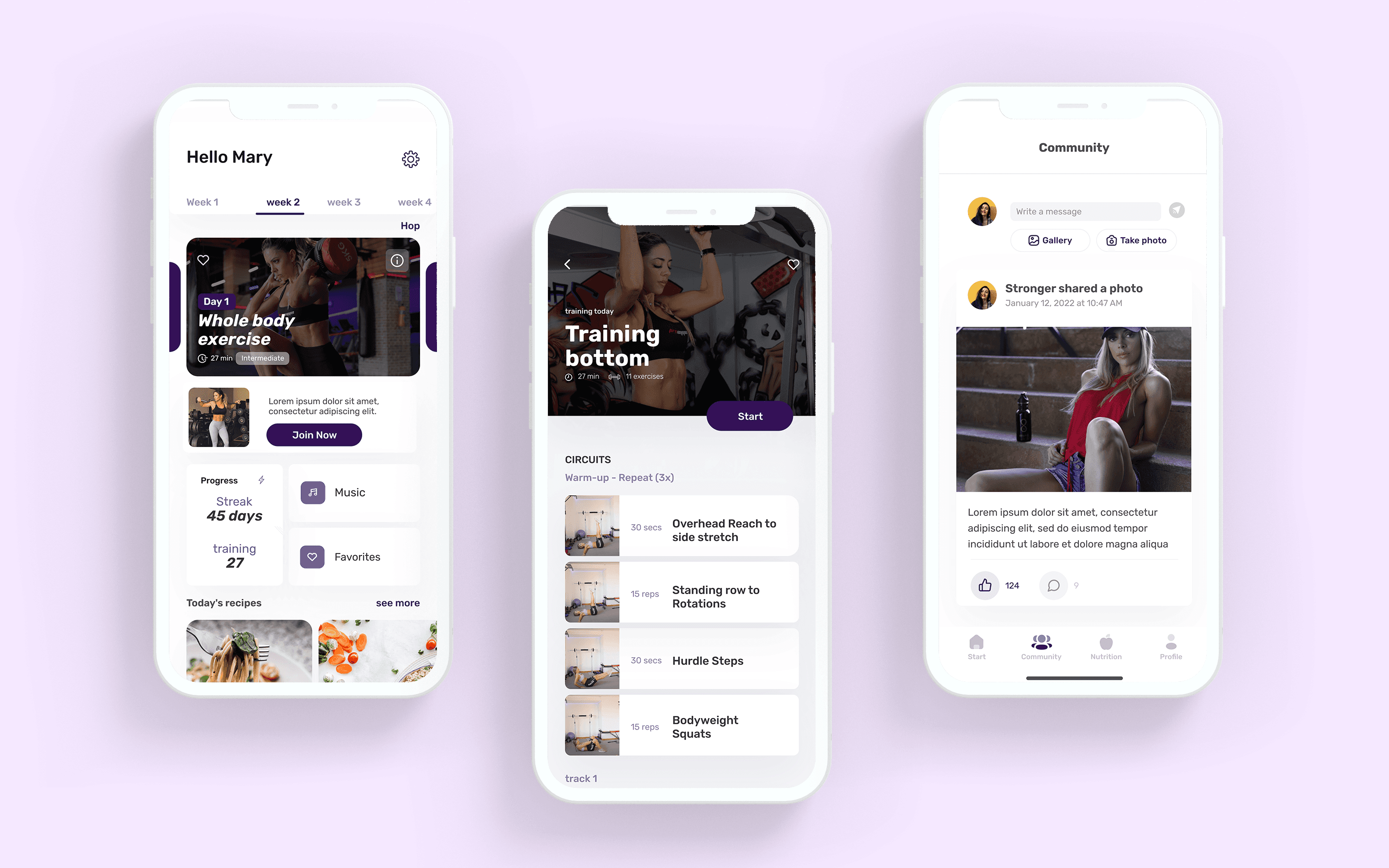
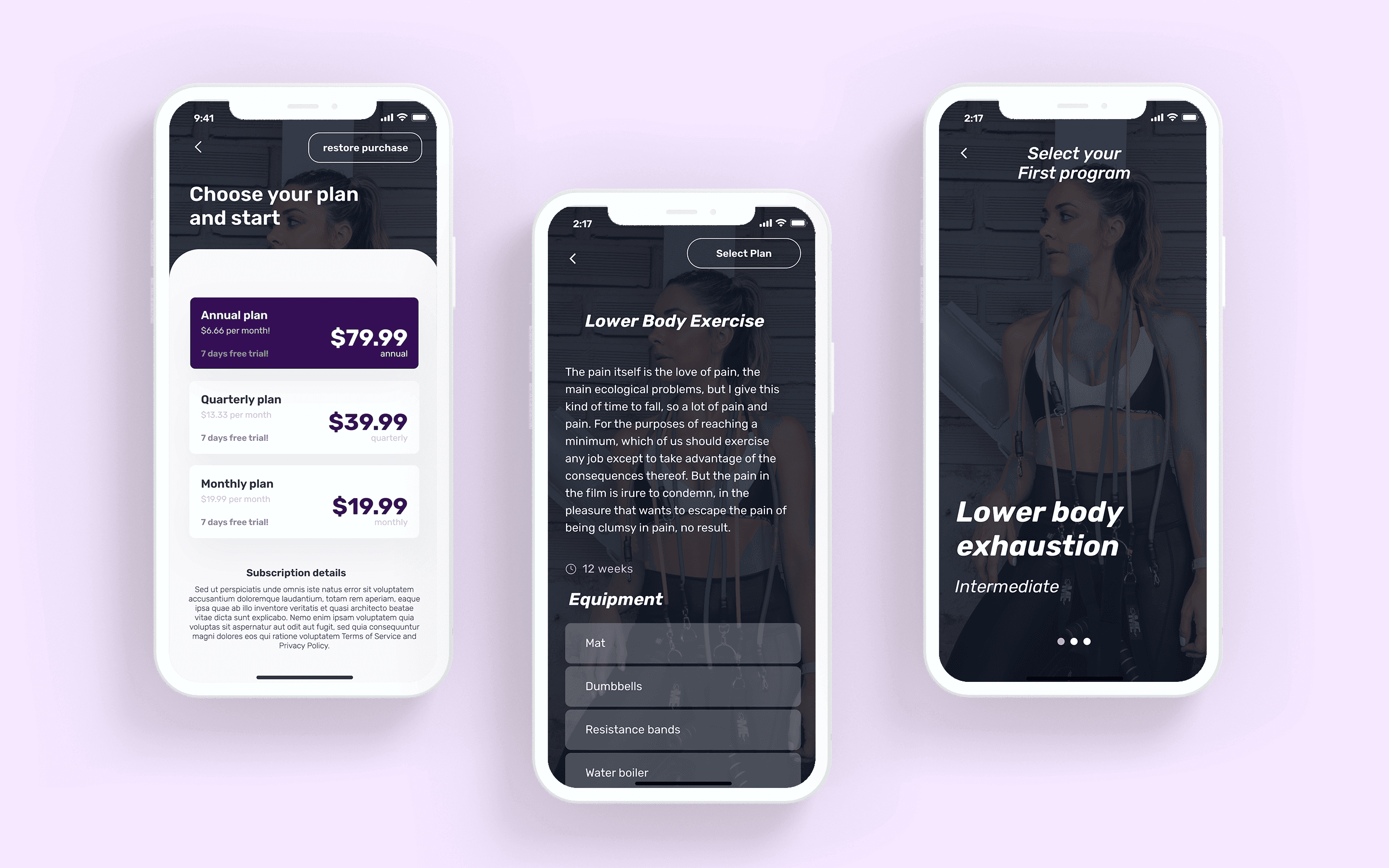
How we validated our work Measurement was based on analytics tracking and qualitative feedback from users and clients after release: • Across the suite, apps showed an estimated 30 % improvement in retention within the first month due to clearer onboarding and motivational feedback loops.  • Gamification and progression features correlated with a 20 % increase in weekly engagement, indicating users were more likely to return and complete activities.  • Post-release app ratings improved noticeably, driven by enhanced usability and visual clarity — a strong indicator that users perceived the experience as more cohesive and less confusing.  • By standardizing reusable UI components across ten apps, the team reduced development time per app by roughly 30 %, supporting faster delivery without sacrificing quality.  Results and outcomes Together, these efforts resulted in a scalable fitness ecosystem where each app felt both bespoke to its brand and intuitive in its foundational interactions. The design enabled coaches and influencers to more effectively engage their audiences, supporting sustained user participation, stronger habit formation, and elevated app store ratings.  What we learned This project highlighted that clarity and motivation are two of the most critical UX levers in fitness apps. Simplified navigation, progress visualization, and personalized reward systems are essential to keep users coming back regularly.  It also reinforced that design systems are powerful tools for scaling consistent experiences across multiple products without repetitive work.  Looking forward With the design framework established, future enhancements could include adaptive workout recommendations, richer social engagement features, deeper progress analytics, and inclusivity improvements such as accessible tutorials and personalized coaching pathways — all driven by continued data insights and user feedback.