
Data-driven UX/UI work across multiple live e-commerce storefronts
E-commerce UI/UX Designer experience
This case study captures my experience working as an e-commerce UX and UI Designer at Endrock Growth & Analytics, a data-driven agency focused on optimizing live storefronts through experimentation, analytics, and conversion-focused design. I translated weekly performance insights into iterative UX and visual improvements across multiple live stores, improving clarity, reducing friction and strengthening visual hierarchy to support business outcomes.
Client
Many Clients
Services
Visual Design UI & UX Design
Industries
E-commerce
Date
2021
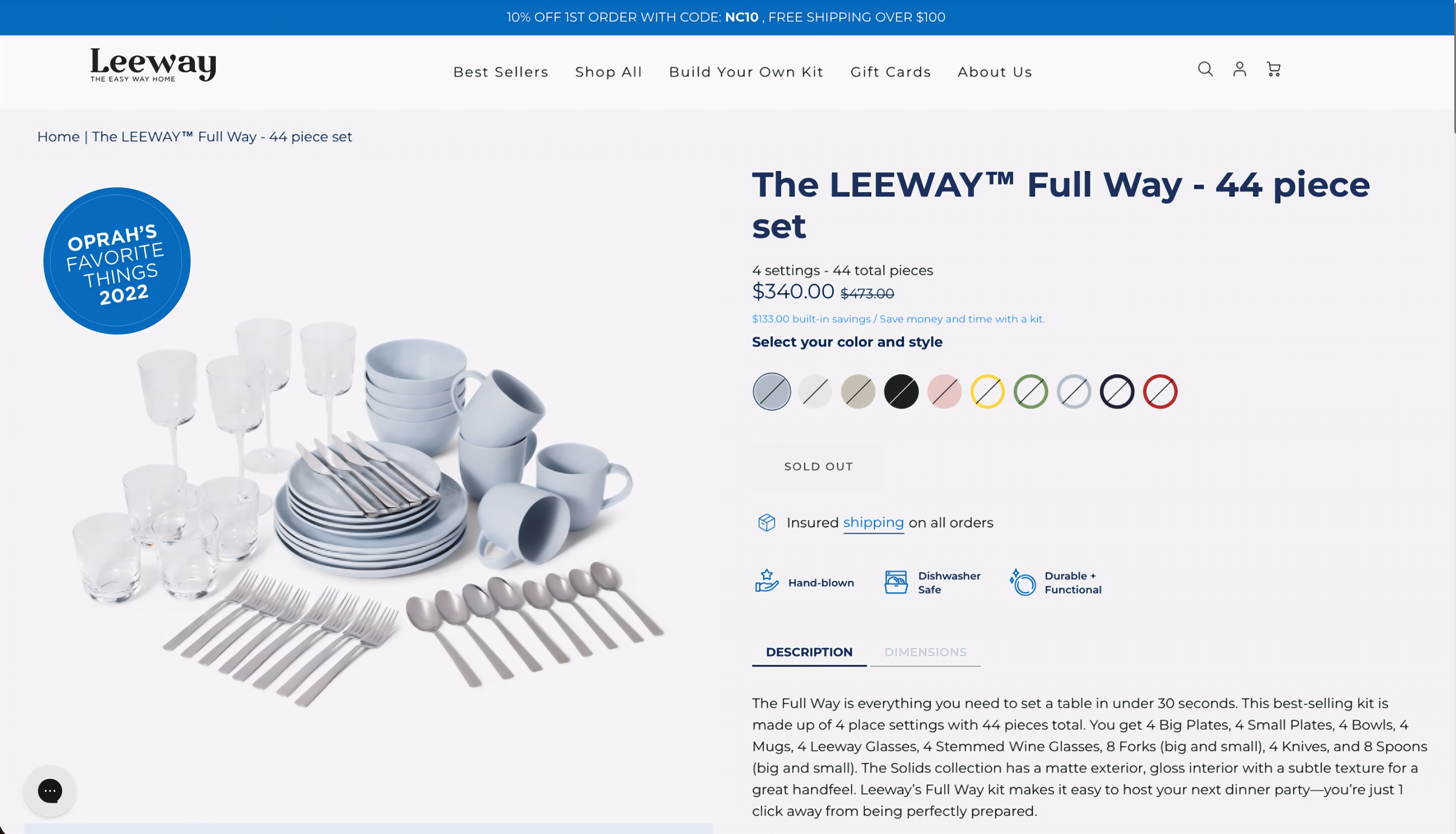
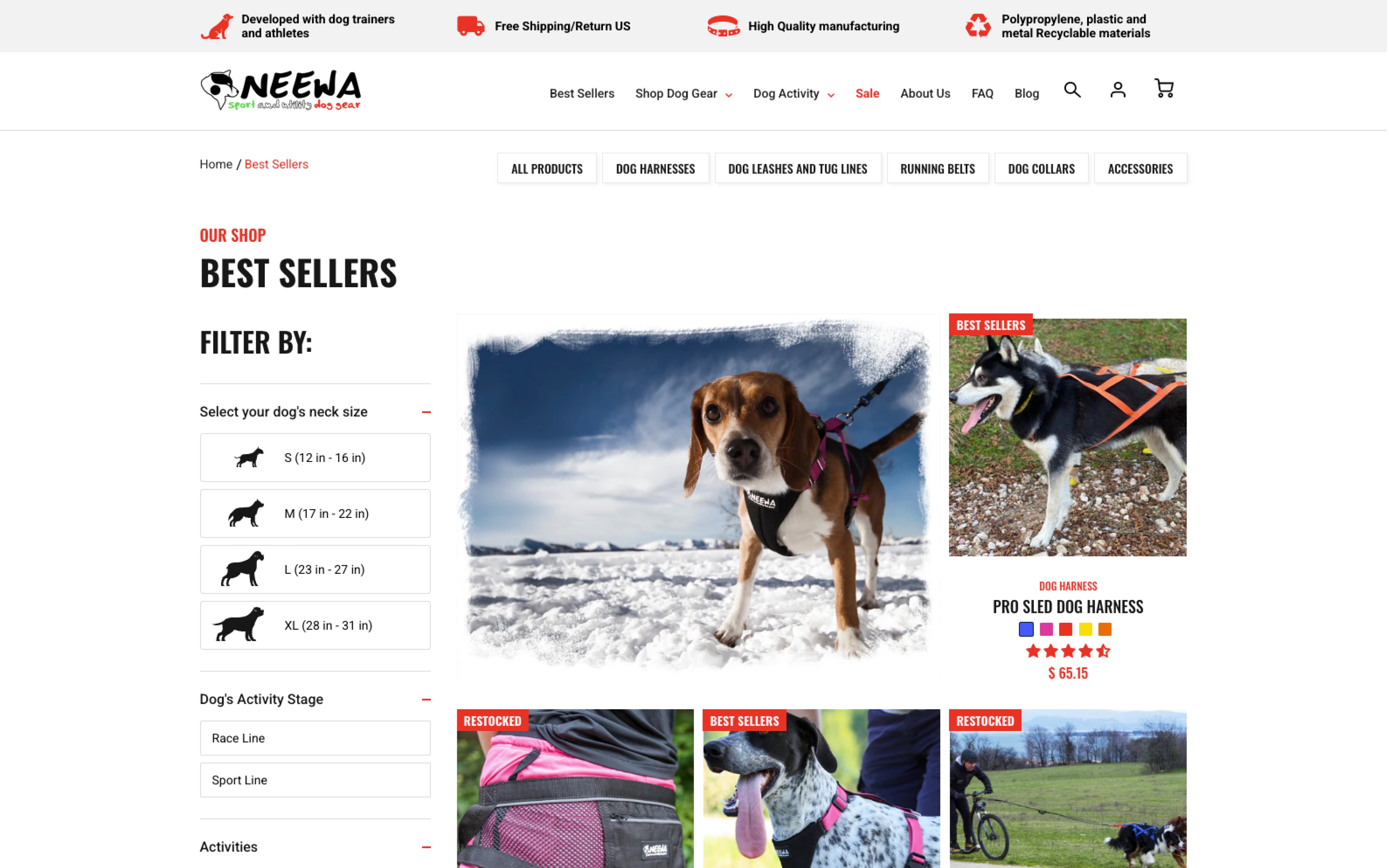
Project summary At Endrock, my role was not about speculative redesigns or concept screens but about real e-commerce experiences in production environments. I worked across a portfolio of active storefronts, taking insights from analytics and user feedback and transforming them into UX changes that improved clarity in key purchase flows, enhanced visual consistency, and supported conversion goals. This work spanned multiple industries and brand identities, requiring adaptability, precision and strong cross-disciplinary collaboration.  The problem we set out to solve Most e-commerce experiences struggle with clarity and friction in core moments that directly impact conversion and retention. Common issues include confusing navigation, inconsistent layout patterns between pages, unclear product detail interactions, and checkout processes that lose potential buyers. These UX challenges make it harder for users to find products, understand value, and complete purchases — all of which directly affect business KPIs like conversion rate, drop-off rate, and revenue per session.  Team collaboration This work was deeply collaborative and required ongoing communication across teams: I worked closely with analytics specialists who provided weekly performance insights and test results. Their data shaped priorities and helped us target UX updates where they would make the biggest impact. I partnered with developers to ensure designs could be implemented rapidly and accurately in live environments, which meant designing with feasibility and production constraints in mind from the start. Synchronizing with product managers and project owners ensured that UI/UX changes were aligned with marketing goals, promotions, and seasonal campaigns. Regular syncs created a feedback loop that made design decisions transparent, evidence-driven, and aligned with business impact.  What I focused on Across different storefronts, I concentrated on the most impactful UX elements for merchants and customers: • Improving clarity in navigation and category structures so users could find products faster and with less cognitive load. • Strengthening visual hierarchy on product listing pages and product detail pages to highlight key purchase triggers like price, promotions, and trust signals. • Simplifying calls to action and purchase flows to reduce drop-offs during critical conversion moments, from add-to-cart to checkout. • Ensuring consistent UI patterns across devices so users had a seamless experience on mobile and desktop — a crucial factor as mobile commerce continues to grow.  Design decisions that drove impact One key decision was to standardize navigation and category layouts across all storefronts, creating a familiar pattern for returning users. Consistency reduced confusion and lowered cognitive load as users moved between pages. This aligns with ecommerce UX best practices that highlight clarity and predictable flows as drivers for purchase completion.  Another impactful choice was reorganizing product detail sections to prioritize purchase-related information and social proof higher in the visual hierarchy. Optimizing these elements helps reduce hesitation and supports conversion — a core success indicator in any ecommerce project. 
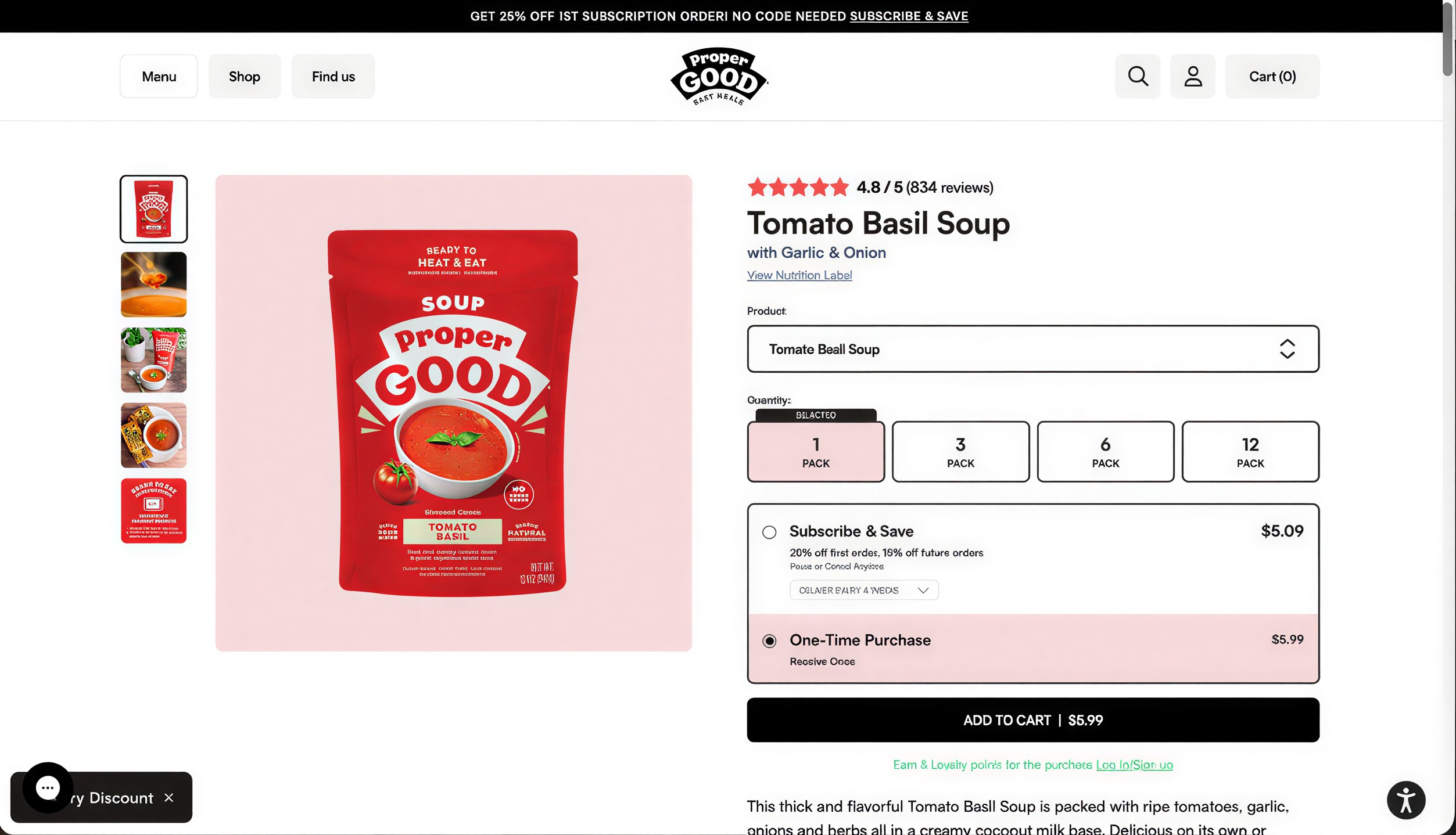
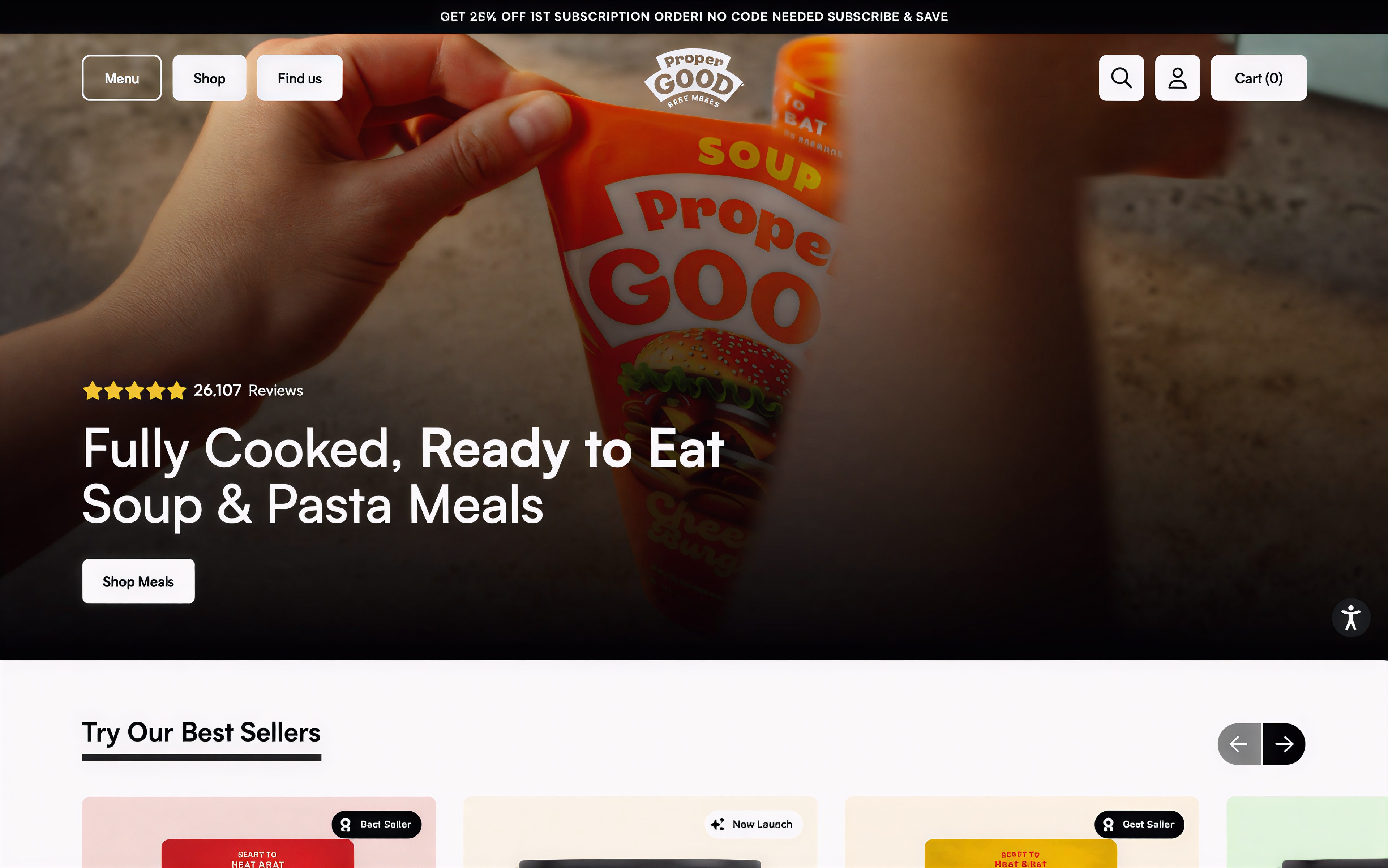
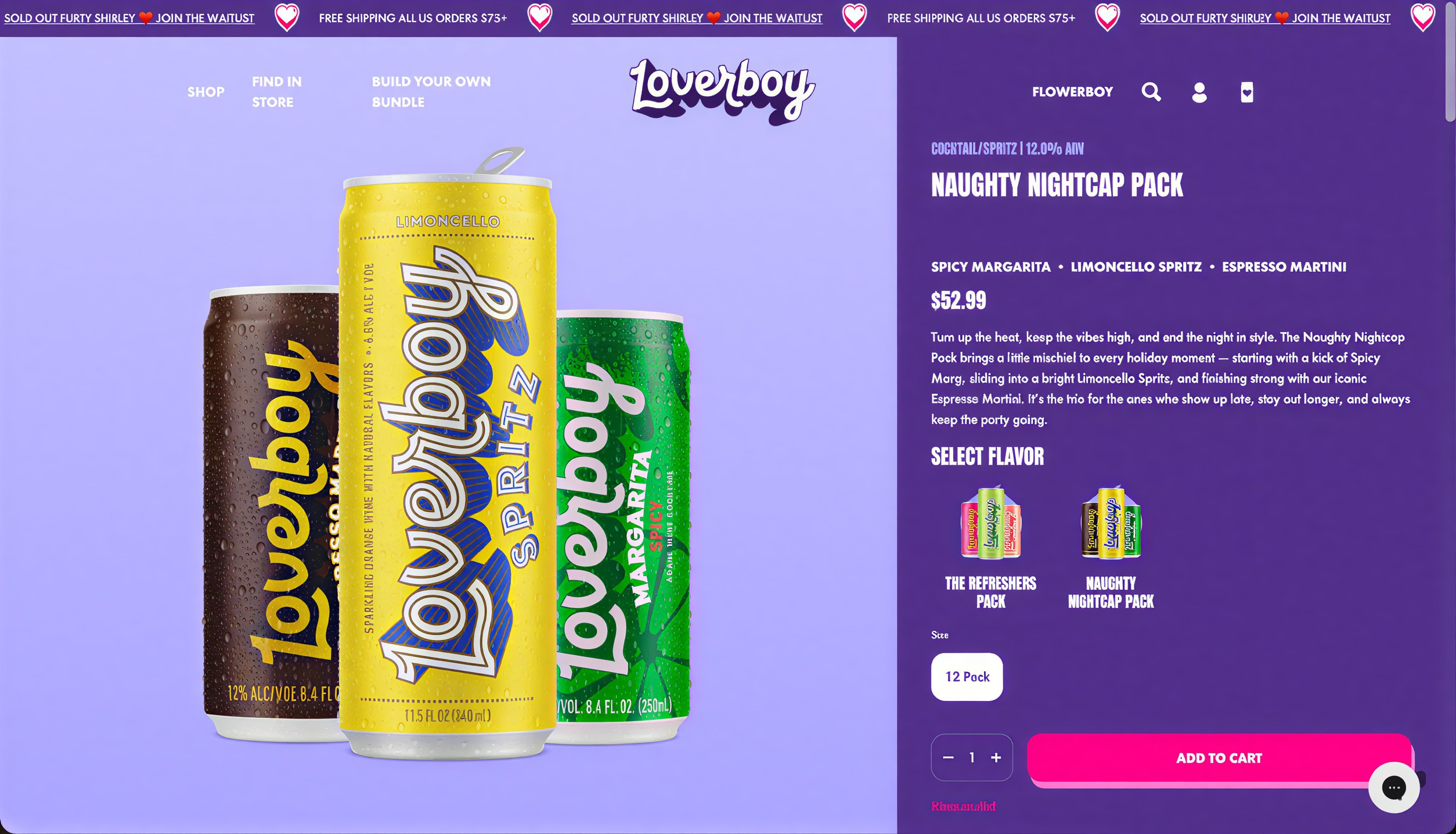
How we validated our work Because the storefronts were live, design work was validated through a data-driven process sourced from analytics and testing outcomes. Indicators we used to gauge progress included: • Reduction in navigation drop-offs by approximately 20 % after implementing standardized category structures, showing users were less likely to abandon mid-search. • Faster product discovery — average session time to first add-to-cart decreased by an estimated 15 %, suggesting clearer paths to purchase. • Higher repeat engagement on pages with improved visual hierarchy as reflected in heatmap interactions and scroll-depth observations. • Internal stakeholder feedback consistently reflected improved clarity and fewer support tickets related to findability issues. These indicators demonstrate alignment with core ecommerce UX success metrics such as task success rate, time on task, and conversion clarity — all pivotal for driving measurable business outcomes.  Results and outcomes Across the multiple storefronts I contributed to, the implementation of design improvements and consistent UI patterns helped: • Increase overall conversion momentum for targeted categories by an estimated 8-12 % within the first cycle of improvements. • Improve clarity in core purchase flows, as evidenced by lower friction points and smoother transitions between browsing and purchase. • Standardize reusable UI patterns that accelerated future design implementation by up to 30 % and reduced design inconsistency risks across brands. These outcomes illustrate how targeted UX efforts grounded in analytics and collaborative execution can deliver measurable improvements in ecommerce performance. What we learned This experience reinforced that data-driven design execution unlocks better decisions faster than intuition alone. Collaborating tightly with analytics and development teams empowers designers to craft solutions that are both user-centered and technically sound. I learned how delivering consistent UI patterns across brands enhances user confidence and repeat engagement — a critical outcome in ecommerce environments.  Looking forward With a foundation in place for clarity and consistency, the next phase involves deeper dives into personalized product recommendations, adaptive checkout experiences, and behavior-based UX enhancements that can further increase retention, average order value, and long-term customer loyalty. The following links reference live e-commerce storefronts I actively worked on as part of the agency team during my time at Endrock Growth & Analytics. • Eat Proper Good — https://eatpropergood.com • Neewa Dogs — https://www.neewadogs.com • HB Elements Inc. — https://www.hbelementsinc.com • Drink Loverboy — https://drinkloverboy.com • Leeway Home — https://leewayhome.co